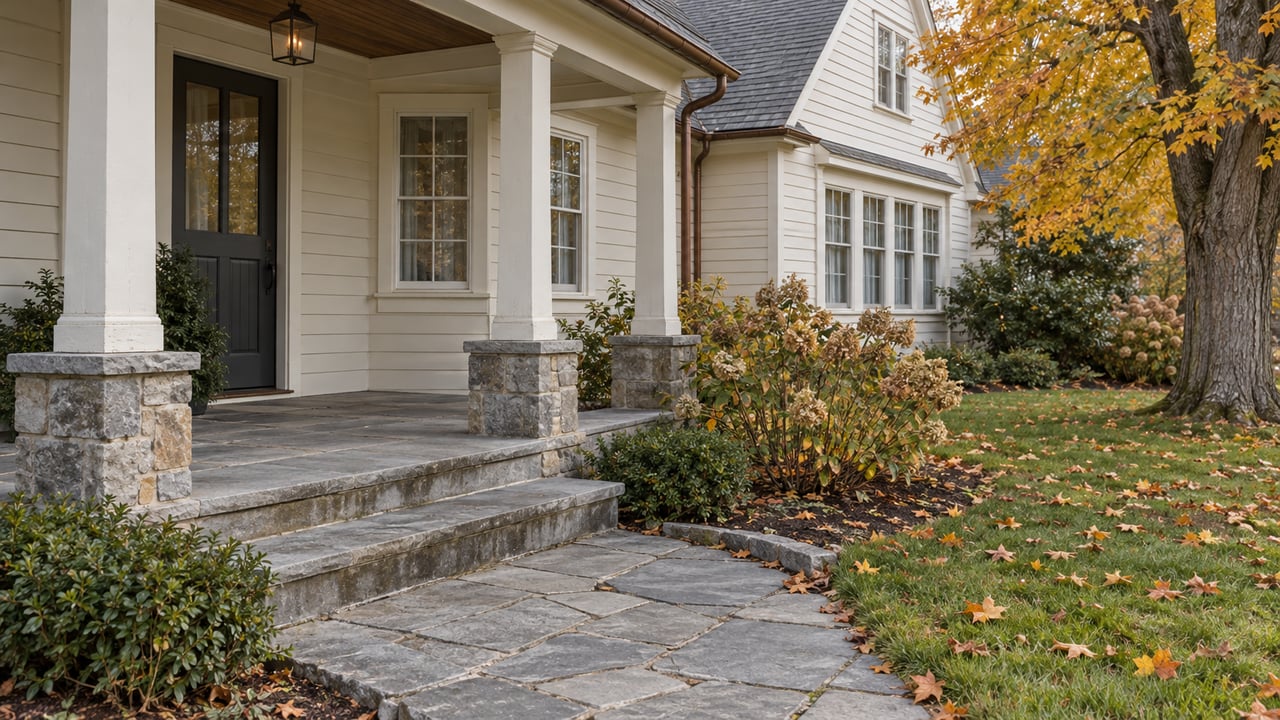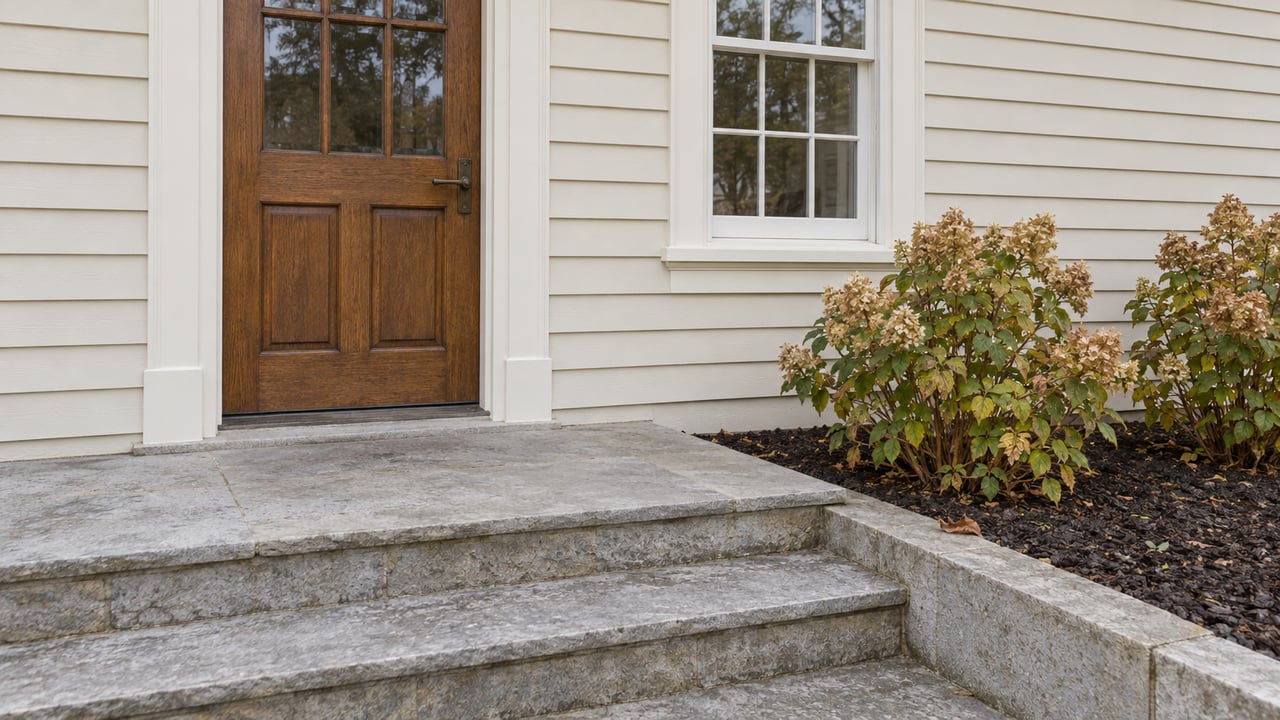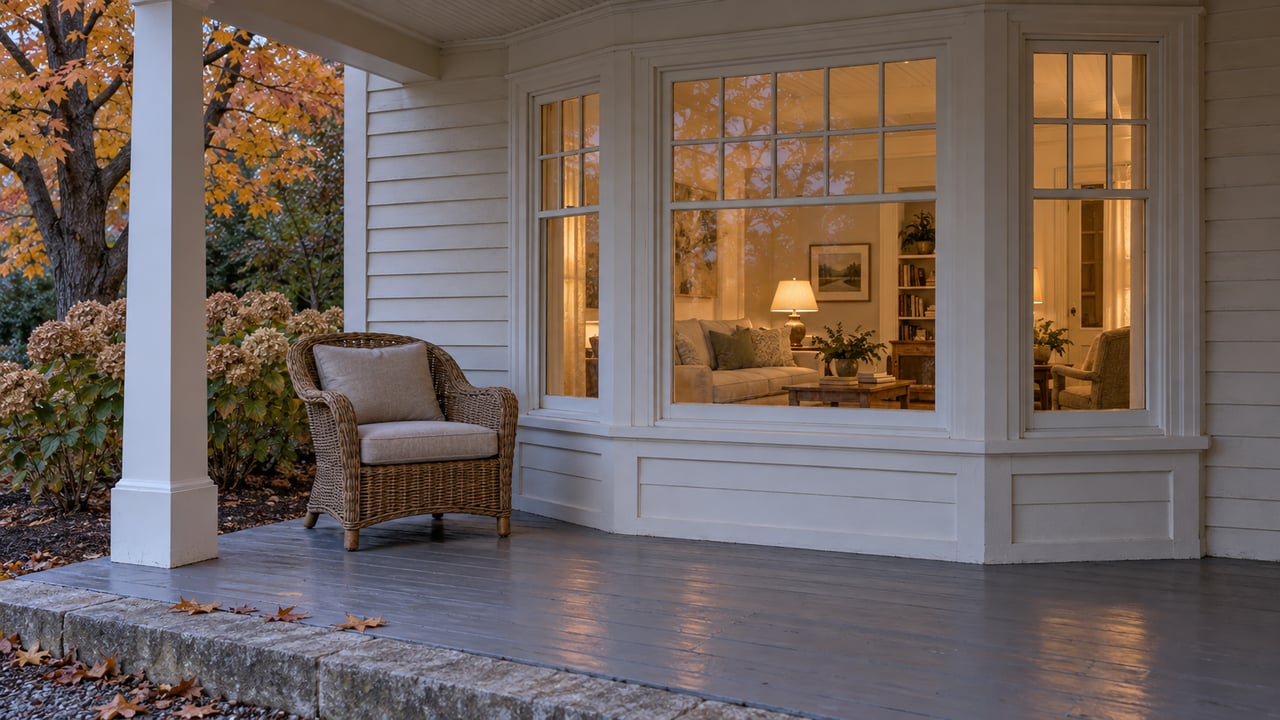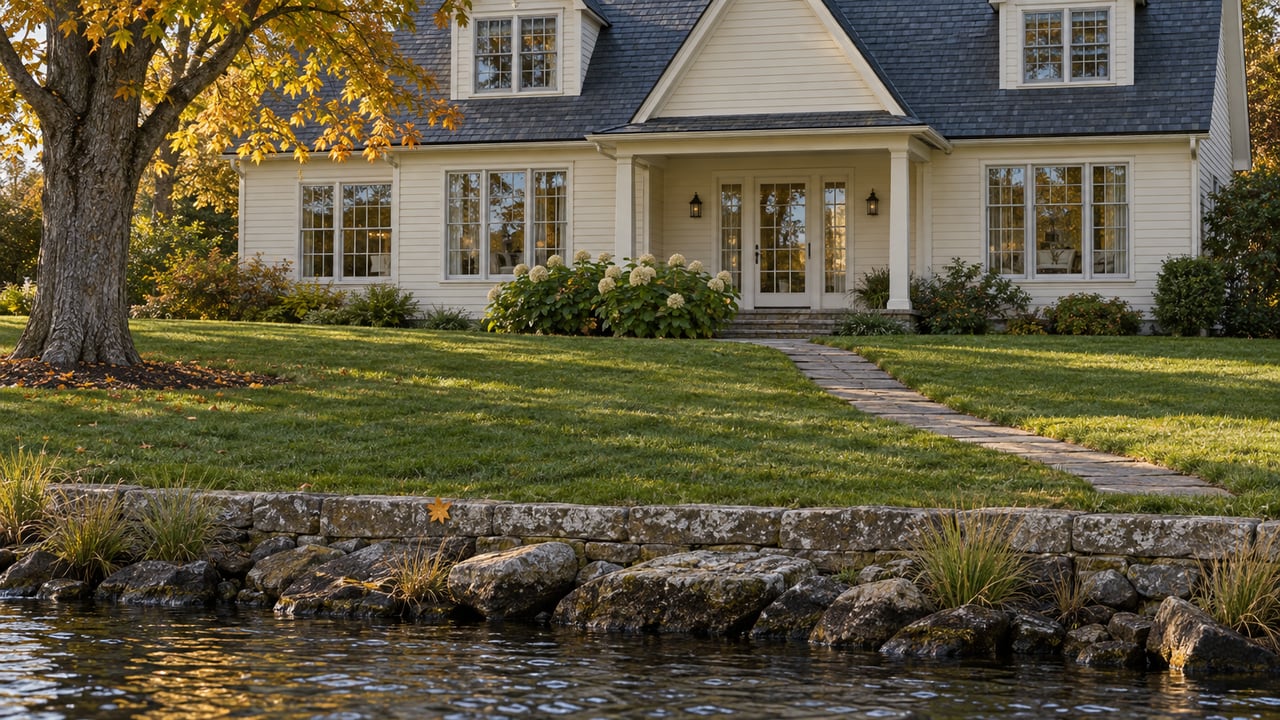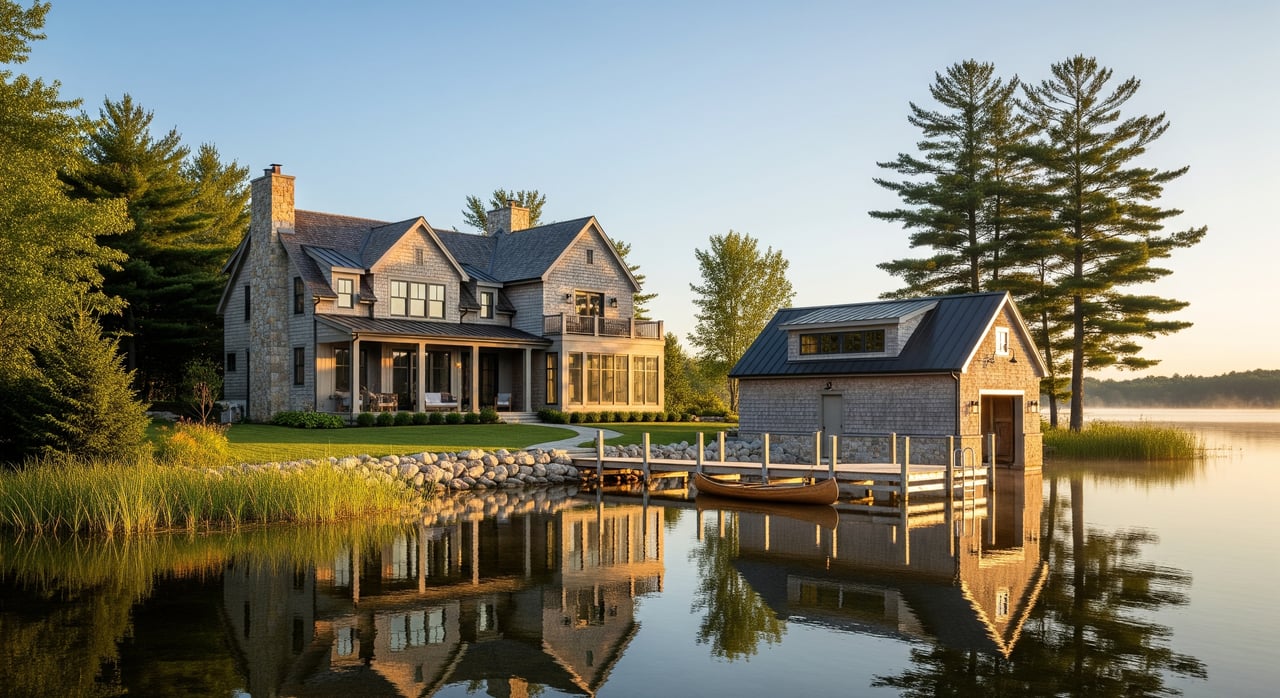
Love the storybook Tudors near Lake of the Isles or the clean lines of Prairie homes by Bde Maka Ska and Lake Harriet? If you are drawn to character, craftsmanship, and lake-adjacent living, the City Lakes area offers a rare blend of design and lifestyle. In this guide, you will learn how to spot the key architectural styles around the lakes, what buyers value most, and what to know before you renovate or sell. Let’s dive in.
Why these styles thrive here
Late 19th and early 20th century development shaped the neighborhoods around Lake of the Isles, Cedar Lake, Bde Maka Ska, and Lake Harriet. Early parkway planning and streetcar access encouraged higher-end homes and architect-designed residences, many with lake or park views. The result is a rich streetscape of period architecture that remains highly desirable.
Parkland around the lakes is managed by the Minneapolis Park and Recreation Board, which helps preserve the public realm and shoreline character. The City of Minneapolis also oversees preservation through its Historic Preservation Commission. Local historic districts can influence exterior changes, while National Register status is generally honorific. For broader architectural context and Prairie School roots in the region, the Minnesota Historical Society is a helpful resource.
Where to find each style
- Kenwood and Lowry Hill: Larger period homes, including Tudor Revival, Colonial Revival, and architect-designed residences.
- Linden Hills and Tangletown: Craftsman bungalows, Tudors, Prairie-influenced homes, and tasteful remodels with some small-lot cottages.
- West Calhoun and Cedar Lake edges: Early 20th century homes, later infill, and select mid-century modern properties.
Tudor Revival essentials
What you will see
- Steep gables, half-timbering, arched doors, tall narrow windows, decorative chimneys, masonry and stucco exteriors.
Why buyers love them
- Distinctive curb appeal, formal rooms, and original details like millwork and fireplaces. Many sit on deeper or elevated lots with mature trees.
Smart updates
- Preserve rooflines and chimneys; repair or sensitively replace leaded glass where needed. Consider attic or lower-level conversions to add livable space without altering the façade.
Watch-outs
- Window and tile details can be costly to replace. Buyers often prefer restoration over wholesale replacement for prominent elements.
Spanish Revival and Mediterranean
What you will see
- Smooth or textured stucco, low-pitched clay tile roofs, arched openings, wrought-iron accents, and small courtyards.
Why buyers love them
- Rarity near the lakes makes these homes feel distinctive and collectible. The villa-like aesthetic stands out in Minneapolis.
Smart updates
- Use specialized trades for clay tile roofing and stucco repairs. Minnesota freeze-thaw cycles demand correct flashing and detailing. Authentic tile roofs are heavy, so plan for structural support if replacing.
Watch-outs
- Sourcing and installing period-accurate materials requires added budget and lead time.
Prairie School and Prairie/Modern
What you will see
- Strong horizontal lines, broad eaves, banded windows, built-ins, and a connection to the landscape. Later Modern and Mid-Century homes add more glass and simplified forms.
Why buyers love them
- Cohesive, design-forward living with open flow and integrated cabinetry. Authentic art glass and built-ins are highly prized.
Smart updates
- Preserve original millwork and built-ins. Mechanical and insulation upgrades are usually compatible if done sensitively.
Watch-outs
- Removing period cabinetry or art glass can diminish appeal to design-minded buyers.
Thoughtfully updated historic homes
What it means
- Modern kitchens and baths that respect original millwork, windows, staircases, and exterior character. Systems updates that meet today’s standards without sacrificing historic fabric. Additions that are scaled, set back, and complementary.
Why buyers love them
- Many want the best of both worlds: character and curb appeal paired with move-in-ready convenience and efficient systems.
Watch-outs
- Over-modernizing can erode value. In local historic districts, exterior changes may require review through the Historic Preservation Commission.
What buyers prioritize near the lakes
- Proximity to park trails and water views, plus walkability to neighborhood retail and recreation.
- Authentic interior details: millwork, fireplaces, built-ins, hardwood floors.
- Move-in condition: updated kitchens and baths, sound roofing, and reliable mechanicals.
- Outdoor living: decks, patios, and landscaping that connect with the setting.
- Practical features: attached garages or off-street parking where street parking is tight.
Regulations and due diligence
Historic districts and permits
- Before exterior work or additions, confirm whether the property sits in a local historic district. Local designation triggers review for changes. Start with the City’s Historic Preservation Commission.
Park and shoreline rules
- The Minneapolis Park and Recreation Board manages lakeside parkland and certain shoreline uses. Private lakeshore is limited where parkland lies between homes and the water.
Inspections for older homes
- Budget for thorough inspections of structure, roofing, chimneys, and windows, plus assessments for asbestos and lead paint in pre-1978 homes. For notable properties, a historic-property condition assessment can document character-defining features and preservation-sensitive repair options.
Energy and windows
- Attic insulation and mechanical upgrades are generally value-adds. Where window replacement is unavoidable, choose historically appropriate profiles or quality replicas, especially on street-facing elevations.
For additional preservation best practices, the Preservation Alliance of Minnesota offers accessible guidance and case studies at preservationalliance.com.
Seller strategy: maximize design value
- Lead with authenticity in your listing visuals. Highlight millwork, mantels, built-ins, and art glass.
- Sequence updates wisely. Stabilize roof and structure first, then tackle kitchens and baths with style-appropriate design.
- Maintain exteriors with period-aware work like masonry repointing and proper paint restoration.
- Disclose any historic-district status and document approved work.
Buyer playbook: shop with precision
- Target the style you love and inspect the elements that define it. For Tudors, look closely at chimneys and leaded glass; for Prairie homes, review built-ins and windows.
- Plan contingencies and budget for specialty trades or materials. Authenticity often requires extra time and care.
- If you want high fidelity to a specific style, consider a preservation-minded architect or contractor from the outset.
Partner with a lakes expert
Buying or selling near the City Lakes is about more than square footage. It is about architecture, context, and the rules that shape both. You deserve an advisor who can position your home for discerning buyers and guide you through preservation, permits, and negotiation with confidence.
If you are considering a move, connect with Debbie McNally for a private consultation. Our boutique, principal-led team pairs legal and transactional insight with elevated, design-forward marketing to deliver exceptional outcomes around the Minneapolis lakes and beyond.
FAQs
What defines a Tudor Revival home near the City Lakes?
- Look for steep gables, half-timbering, arched doors, tall narrow windows, and decorative chimneys, often found in Kenwood, Lowry Hill, and parts of Linden Hills.
How rare are Spanish Revival homes in this area?
- Spanish or Mediterranean-style homes are uncommon near the lakes, which makes well-executed examples from the 1920s and 1930s especially sought after.
What should I check before exterior renovations by the lakes?
- Confirm local historic-district status and permitting through the City’s Historic Preservation Commission; exterior changes in designated districts often require review.
Do most lake-facing homes have private shoreline access?
- Not typically; the Minneapolis Park and Recreation Board manages much of the lakeside parkland, so private lakeshore is limited where parkland sits between homes and the water.
What updates matter most to buyers of historic homes?
- Updated kitchens and baths, reliable mechanicals, and preserved period details like millwork, built-ins, and art glass balance convenience with authenticity.
Are Prairie School features a resale advantage?
- Yes, buyers value original built-ins, banded windows, and strong indoor-outdoor connections; preserving these features supports long-term appeal.