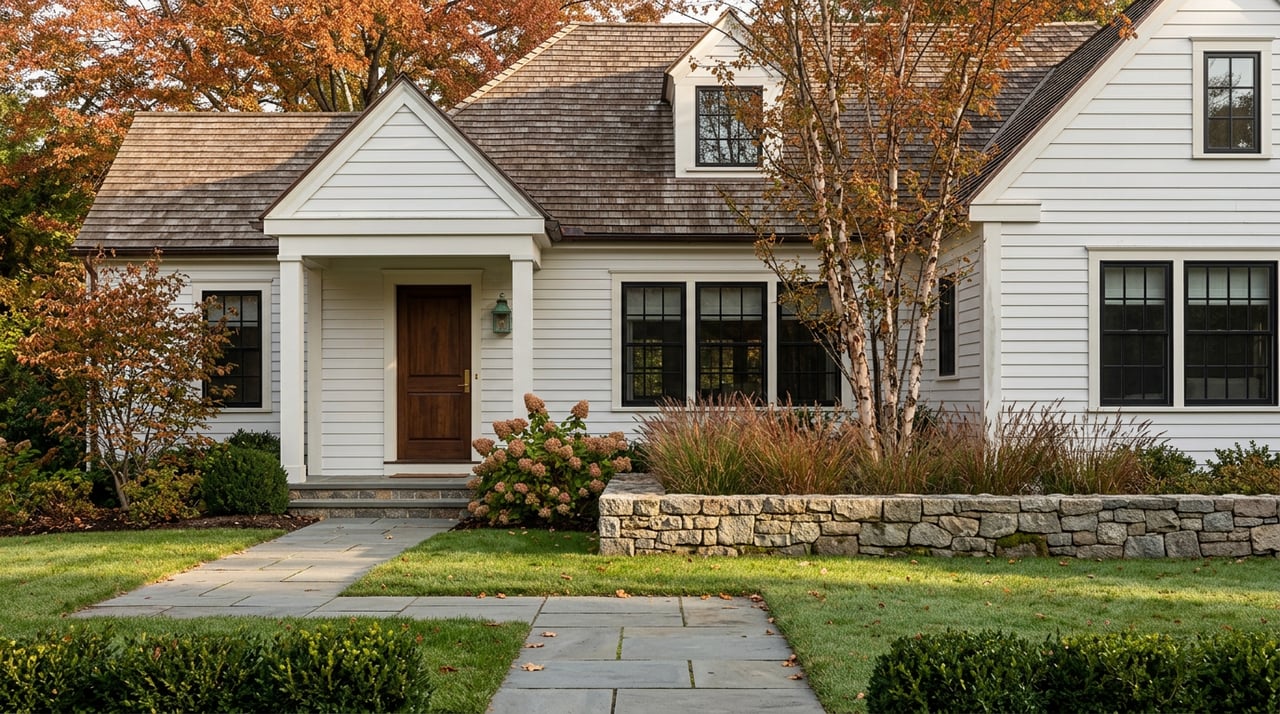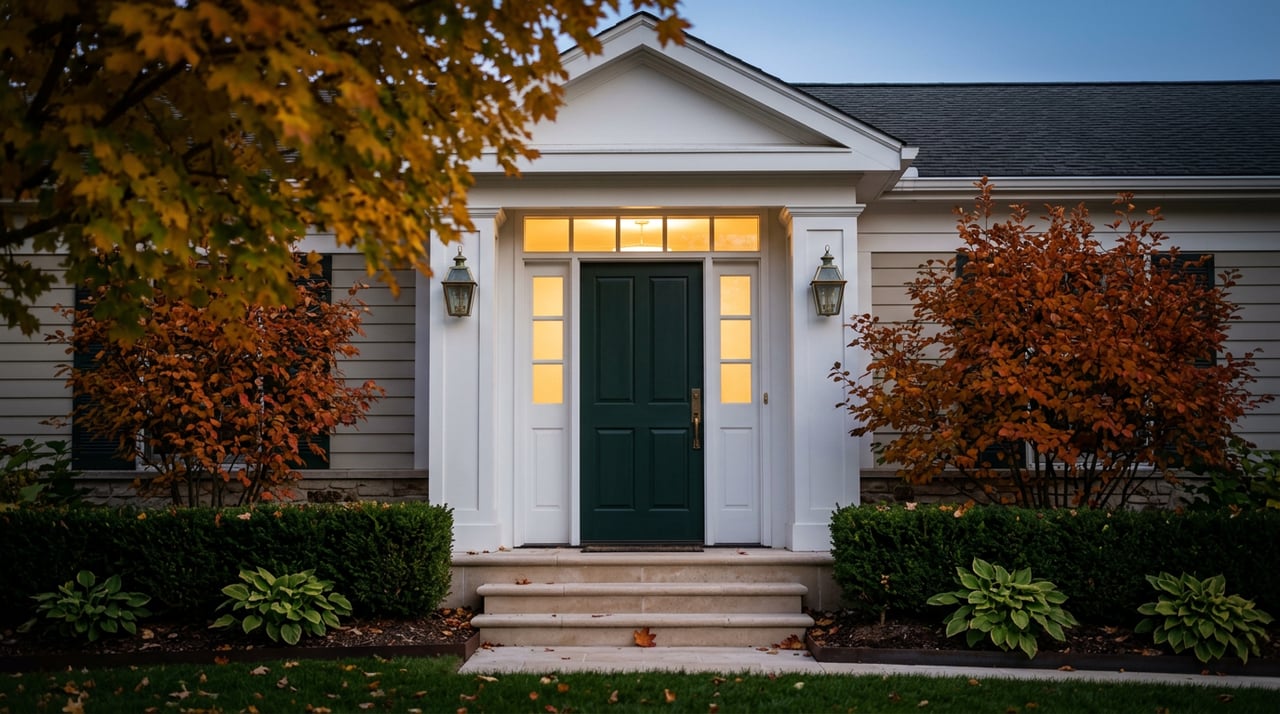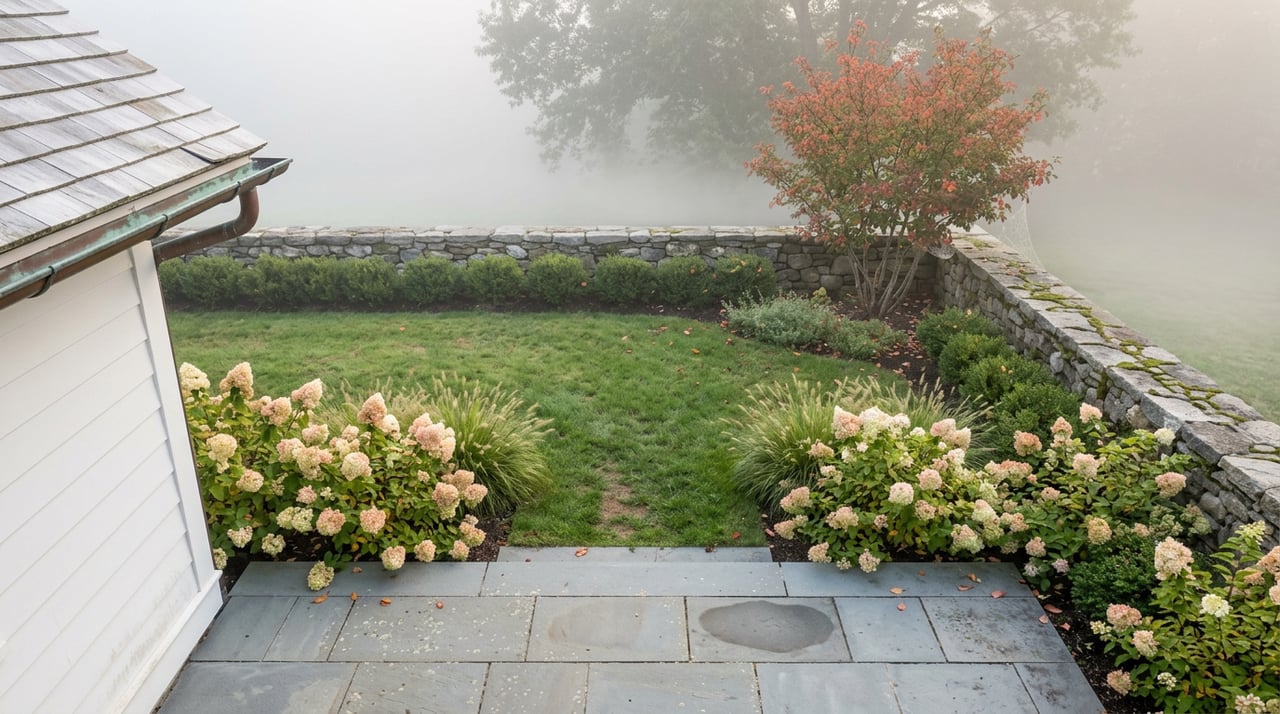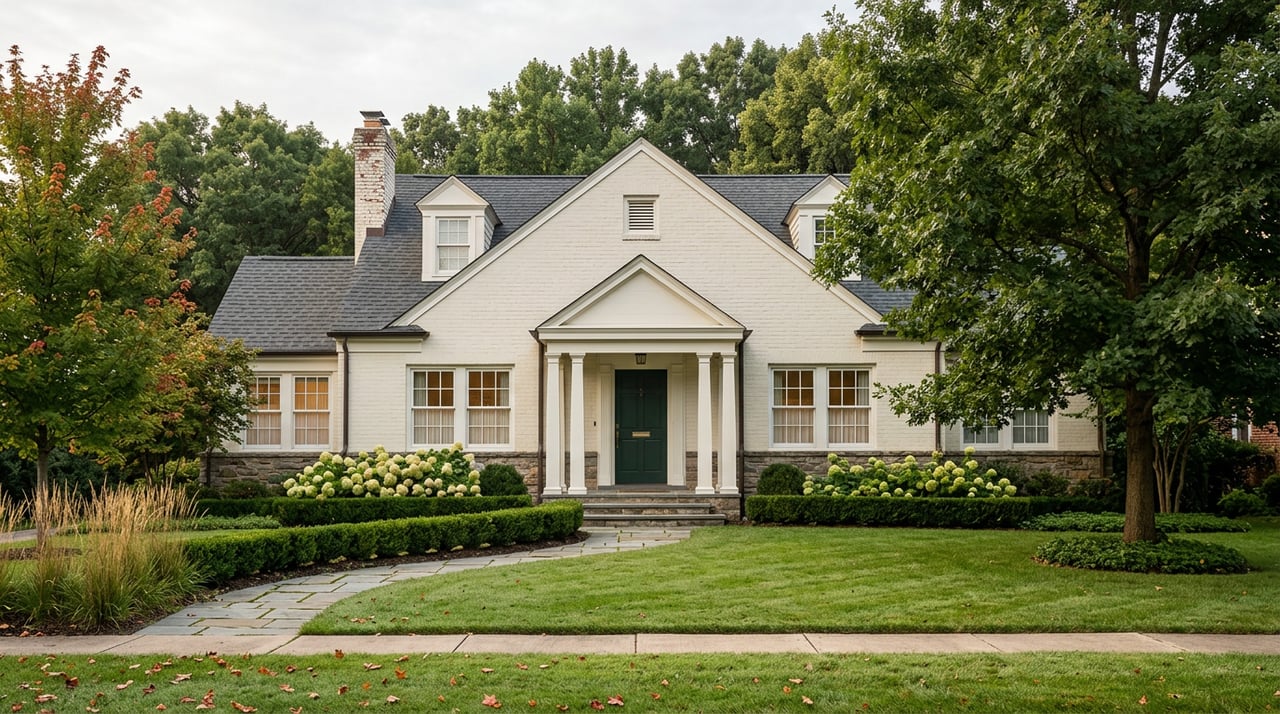
A short distance north of the Edina Country Club District sits Morningside, another of the city's most requested addresses, close to the same shops and the same walk to 50th & France. Ask what a home costs in each and you'll get numbers that are, for the first time in years, nearly identical. Over the three months ending July 2026, Country Club homes sold for a median of $1.8 million, up 17.6 percent from the year before, moving in an average of 9 days on market. Meanwhile in Morningside, homes were listed at a median of $1.69 million in June 2026, spending a median 42 days on market before going under contract.
A gap of roughly $100,000 at this price point is close to a rounding error. What it hides is not close at all. One of these neighborhoods legally guarantees that the house next door will still look like a house from 1930 in twenty years. The other is where Edina's active teardown and rebuild market actually happens. Buyers comparing the two on price per square foot are comparing two different products that happen to share a price tag this year.
The Rule Written Into Every Country Club Deed
The Country Club District is a 14-block area bounded by Minnehaha Creek, Sunnyside Road, Arden Avenue and West 50th Street, platted in 1924 by the Thorpe Brothers Realty Company and built out with roughly 555 homes between 1924 and 1941. It earned a spot on the National Register of Historic Places in 1980, and in 2003 the city layered on something with real teeth: a Heritage Preservation Landmark overlay that requires a Certificate of Appropriateness, or COA, before the city will issue a permit for demolition, new construction, or any significant change to a street-facing facade.
That process is not a formality. The district's own Plan of Treatment states plainly that no COA will be approved for demolition of a heritage preservation resource unless the applicant can prove the home no longer contributes to the district's historic character, whether through deterioration, damage, or inappropriate past alterations. The burden sits with the person who wants to tear down, not with the city that wants to preserve. The results show up in the data the city itself has tracked: fewer than 5 percent of homes over 50 years old in the district have been torn down or altered beyond recognition since the original 1980 survey.
That is the mechanism behind the neighborhood's character. It is also the mechanism behind its price stability. Buyers here are not just purchasing a Tudor or a Colonial Revival. They are purchasing a guarantee that the block will still look the way it looks now.
The Rule That Took Effect This Year
Edina's City Council made that guarantee stronger for 2026. Ordinance 2024-06 and Resolution 2024-77 updated the Heritage Preservation Ordinance and the Country Club Plan of Treatment, with the changes taking effect January 1, 2026, timed to the launch of the city's new permitting software. The update added an escrow fee for Heritage Landmark properties, aimed squarely at a tactic the city had watched a handful of owners try: letting a historic property deteriorate until its condition becomes the argument for tearing it down. The escrow exists to keep a property weathertight and protected if a contractor doesn't.
Residents who submitted public comment ahead of the vote were direct about why it mattered. As one Casco Avenue homeowner put it in comments recorded through the city's public engagement platform:
"I appreciate finally putting some teeth into the heritage preservation rules."
The city's Heritage Preservation Commission spent the months leading up to the change educating property owners, contractors, and real estate agents on what it would require. That last group matters for anyone house-hunting here now that the rule is in force. An agent who hasn't kept up with a change that specific is an agent who can misprice the friction a renovation project will run into.
Just North, the Incentives Flip
Morningside tells the opposite story. The neighborhood grew up in the 1930s along a streetcar line that once ran down 44th Street, and its housing stock still reflects that era: classic bungalows, 1950s ramblers, 1.5-story and two-story homes. Unlike Country Club, none of it carries a historic overlay. Teardown and infill rebuilding are not just permitted here, they are part of how the neighborhood turns over.
That shows up directly in how property here gets marketed. One recent Morningside listing was framed not as a home for sale but as a "Lot Purchase Open To All Builders," with the property owner, GroundUp Development, stating a preference for working with a buyer willing to build alongside their preferred partner, EHR Construction. Another was listed outright as a "Teardown/Build opportunity." Neither of those phrases would make sense as marketing copy in Country Club, where a buyer proposing the same plan would need to clear a Certificate of Appropriateness first, and where the Plan of Treatment puts the burden of proof on them to show why the existing structure doesn't matter.
What the Same Dollar Buys
| Country Club | Morningside | |
|---|---|---|
| Regulatory overlay | Heritage Landmark District since 2003; COA required for demolition, new construction, and facade changes | None |
| Teardown pattern | Under 5% of homes over 50 years old torn down since 1980 | Routine, actively marketed |
| 2026 change | New escrow fee and updated Plan of Treatment effective Jan. 1 | No comparable requirement |
| Recent price | Median sale $1.8M (3 months ending July 2026), 9 days on market | Median list $1.69M (June 2026), 42 days on market |
Read across that table and the price convergence stops looking like a coincidence and starts looking like two markets pricing in completely different kinds of risk. Country Club's speed on market (a 9-day average) reflects buyers who already know what they're getting and move fast to lock it in. Morningside's longer runway (42 days) reflects a wider range of what's actually for sale on any given block, from a move-in-ready rambler to a bare lot pitched at a builder.
Before You Write the Offer
If your plan for a Country Club purchase includes any exterior change, from a new roofline to an addition visible from the street, build the COA timeline into your calendar before you waive a contingency tied to it. A pre-application conversation with city planning staff, before you're under contract, will tell you more about what's actually possible than any listing description will.
If you're comparing that same budget against a Morningside address, price in the version of ownership where the empty lot two doors down turns into a construction site for a year. That's not a defect in the neighborhood. It's the same mechanism that keeps its inventory fresh and its architecture current, and it's worth weighing against Country Club's opposite promise: nothing next door will change without your neighbor clearing a much higher bar first.
FAQ
Does a Certificate of Appropriateness apply if I just want to update a kitchen? No. The COA process in Country Club is triggered by work that requires a city permit for demolition, new construction, or a significant change to a street-facing facade. Interior renovations and changes not visible from the street generally fall outside that review.
Is Morningside protected by any historic designation? Not one comparable to Country Club's Heritage Landmark overlay. That absence is a large part of why teardown and rebuild activity is common there rather than the exception.
What happens if a Country Club buyer wants to tear down anyway? The Plan of Treatment sets a specific bar: no COA will be approved for demolition unless the applicant can show the property no longer contributes to the district's historic significance, whether through deterioration, damage, or prior inappropriate alterations. It's a higher hurdle than a standard demolition permit elsewhere in Edina.
Comparing neighborhoods by median price alone will tell you what a home costs. It won't tell you what you're allowed to do with it once you own it, or what the seller next door is allowed to do with theirs. That's the kind of detail that belongs in a conversation, not a listing sheet. If you're weighing Country Club against Morningside, or any two Edina neighborhoods that look similar on paper, The Debbie McNally Group can walk through what each one actually commits you to before you write an offer. Schedule a private consultation to start that conversation.