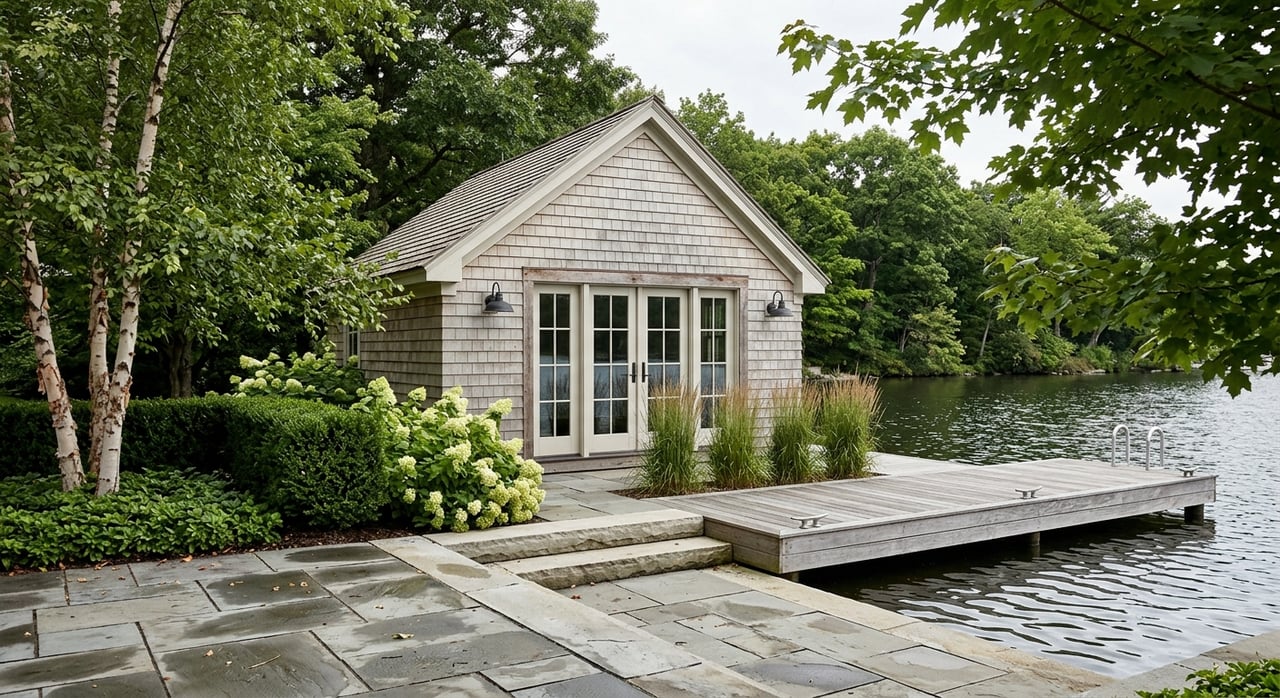
If you picture Lake Minnetonka as just a place to launch a boat, you are missing the bigger story. For many residents and visitors, the lake is a full summer rhythm shaped by cruising, sailing, dining, regattas, dock culture, and a well-defined set of local rules. If you are exploring life near Glen Lake and the broader west metro, understanding this boating scene can help you better understand what draws people to the area. Let’s dive in.
Lake Minnetonka Boating at a Glance
Lake Minnetonka is the boating centerpiece of western Hennepin County. The Lake Minnetonka Conservation District describes it as roughly 14,500 acres with 125 miles of shoreline and 20 bridges, while the Minnesota Department of Natural Resources identifies it as the largest lake in the Twin Cities metro area.
That scale helps explain why the lake feels more like a network of boating communities than a single destination. The Lake Minnetonka Conservation District also notes that the lake spans 14 cities and two counties, so the experience is broad, active, and carefully managed.
For you as a buyer or lifestyle-focused homeowner, that matters. A lake this large supports many ways to enjoy the water, but it also comes with busy summer traffic, popular access points, and local boating standards that shape daily life.
Why the Culture Feels So Established
Lake Minnetonka’s boating identity has deep roots. The Lake Minnetonka Historical Society notes that the area became a long-standing summer destination and that sailing took on a major role after the Minnetonka Yacht Club was incorporated in 1882.
That history still shows up today. The lake is not only about private boat ownership, but also about tradition, social events, and a strong connection to the water that carries from one generation to the next.
The historical society also points to the lake’s former steamboat network, which operated until 1926. While that system is no longer part of everyday transportation, heritage experiences like the restored Minnehaha steamboat help preserve the lake’s classic character.
Where Casual Boaters Spend Time
Not every Lake Minnetonka boater is racing sailboats or joining a private club. Many people enjoy the lake through marinas, rentals, day cruises, public docks, and waterfront dining.
The Lake Minnetonka Conservation District lists a wide network of licensed marinas, rental-watercraft operators, charter boats, and boating clubs across the lake. Examples include Howard’s Point Marina, Minnetonka Marina, Wayzata Marine, Your Boat Club, and other bay-specific operators, which shows how access is spread around the lake rather than centered in just one place.
That distributed setup is part of the appeal. You can experience very different parts of the lake depending on where you launch, dock, or board a cruise.
Public Docking Options
Public docking plays an important role in the lake’s social scene. In Excelsior, the Port of Excelsior offers public pay-to-dock access, and the Commons and Port area includes docks, buoys, and docking for public excursion boats.
In Wayzata, both the Beach and Marina and the Depot Docks offer short-term public dock access. City dock staff assist with tie-ups on weekends, and these docks are intended for short stays rather than overnight mooring.
For you, this means the boating lifestyle can be more flexible than many people assume. You do not need to own a private dock to enjoy time on the water or arrive by boat for lunch, dinner, or an event.
Cruises and On-the-Water Dining
Lake Minnetonka’s dining culture is closely tied to boating. Al & Alma’s combines dining with cruises and is licensed by the Lake Minnetonka Conservation District at multiple ports of call, including Mound, Excelsior, Lafayette Club, and Wayzata.
Other operators such as Wayzata Bay Charter Cruises and Lady of the Lake offer public and private sightseeing, brunch, dinner, and event cruises from Excelsior and Wayzata. That gives the lake a social energy that extends beyond traditional boating.
In practical terms, the lake works for both boaters and non-boaters. You can own a boat, join friends for a cruise, or simply enjoy the waterfront atmosphere from shore and still feel part of the experience.
Yacht Clubs and Sailing Programs
For many people, the most distinctive part of Lake Minnetonka’s boating scene is its yacht club and sailing culture. This side of the lake blends sport, tradition, instruction, and community.
Minnetonka Yacht Club
Minnetonka Yacht Club is one of the lake’s signature institutions. The club says it was founded in 1882 and supports a broad mix of fleets, including A Scows, E Scows, MC Scows, Ynglings, catamarans, X Boats, Optimists, Melges 15s, and an open fleet.
Its summer sailing season runs from mid-May through mid-September and includes club races and regattas. The club also offers multiple membership categories, including regular, crew, social, intermediate, and junior, along with social programming such as grill nights, holiday picnics, and regatta parties.
That mix helps explain why yacht clubs on Lake Minnetonka can feel social as well as sport-focused. They are places where sailing, seasonal routine, and community events often overlap.
Wayzata Yacht Club and Community Sailing
Wayzata Yacht Club represents a keelboat-centered side of the lake. According to the club, its Lake Minnetonka racing program includes more than 65 keelboat races each season, and evening races can involve as many as 130 boats.
If you are newer to sailing, community access matters too. Wayzata Sailing describes itself as a community sailing center, reports serving more than 1,200 participants a year, and notes that it is one of only 35 US Sailing Accredited Community Sailing Centers in the country.
That broader entry point is important. It means the sailing scene is not reserved only for long-time club members or people who already own a sailboat.
Upper Lake Access and Learn-to-Sail Paths
Upper Minnetonka Yacht Club offers another view of the lake’s boating culture. Its focus includes adult sailing, learn-to-sail opportunities, marina slips, and club racing, with a clear message that participants do not need to begin with boat ownership.
This lowers the barrier to entry for many households. If you are interested in the lifestyle but are not ready to commit to a boat right away, there are still structured ways to participate.
Why Local Rules Matter on Lake Minnetonka
On a lake this active, regulations shape the experience in real time. The Lake Minnetonka Conservation District’s summer safety materials make clear that Lake Minnetonka is both a recreational destination and a managed public resource.
For residents, that means boating enjoyment is closely tied to timing, traffic, and local rules. It also means waterfront living comes with practical considerations that go beyond the view.
Wake, Speed, and Shoreline Awareness
According to the Lake Minnetonka Conservation District’s 2026 summer safety brochure, motorized watercraft must stay at minimum wake within 300 feet of shore and within 150 feet of docks, swimmers, anchored craft, and similar hazards. Quiet-water areas have slower limits as well.
Those standards affect how the lake feels from shore and from the boat. They help manage safety, congestion, and shoreline impact in an environment where many activities are happening at once.
Noise and Evening Use
Sound travels across water, especially at night. The same Lake Minnetonka Conservation District brochure states that plainly audible noise at 150 feet between 10 p.m. and 7 a.m. violates district code.
For waterfront homeowners, that is an important detail. It reinforces that the lake supports active recreation while also setting expectations for respectful shared use.
Rental and Event Oversight
The district also highlights life-jacket rules for personal watercraft, boating-under-the-influence enforcement, channel-navigation restrictions, youth curfews, and operator-permit requirements. In addition, new rental-watercraft licensing requirements took effect on January 1, 2025, and rental boats must be inspected by Hennepin County Water Patrol before operating on Lake Minnetonka.
Organized events are regulated too. The Lake Minnetonka Conservation District notes that regattas and other special events require permits, which adds structure to the lake’s busiest seasonal activities.
Seasonal Rhythm and Waterfront Living
Lake Minnetonka is a strongly seasonal environment. Summer is the headline season, but how the lake is managed during changing conditions can influence everyday use.
The Lake Minnetonka Conservation District’s planning materials note that high-water and low-water conditions are handled differently. That can include minimum-wake rules during high water and different dock-extension allowances during low water.
For buyers and homeowners, this is one of the most useful takeaways. Lake life here is not just scenic or social. It is also practical, with access, dock use, boating behavior, and event timing all shaped by local conditions.
What This Means if You Love the Lake Lifestyle
If you are considering a home near Lake Minnetonka or want easier access to its boating culture from communities like Glen Lake, it helps to think beyond the idea of simply owning a boat. The real appeal is the combination of marinas, public docks, sailing traditions, cruises, summer events, and a strong local framework that keeps the lake functioning smoothly.
That balance is a big part of why the area holds lasting appeal. You can enjoy heritage, recreation, and everyday convenience in one setting, whether your ideal summer day involves a regatta, a dinner cruise, or a short dock stop in Wayzata or Excelsior.
When you understand how the lake actually works, you can make more confident real estate decisions about access, use, and long-term fit. If you are considering a move tied to the Lake Minnetonka lifestyle, Debbie McNally can help you evaluate the nuances that matter most.
FAQs
What makes Lake Minnetonka different from other boating lakes near Glen Lake?
- Lake Minnetonka stands out for its scale, with roughly 14,500 acres, 125 miles of shoreline, a broad marina network, active yacht club culture, public docking, cruises, and locally managed boating rules.
What yacht clubs are part of the Lake Minnetonka sailing scene?
- The research highlights Minnetonka Yacht Club, Wayzata Yacht Club, and Upper Minnetonka Yacht Club, each offering a different mix of racing, sailing programs, and social activity.
What public docking options are available on Lake Minnetonka?
- Excelsior offers public pay-to-dock access at the Port of Excelsior, while Wayzata offers short-term public docking at the Beach and Marina and at the Depot Docks.
What boating rules should Lake Minnetonka residents know?
- Key rules include minimum-wake requirements near shore and around docks or swimmers, noise limits during late-night and early-morning hours, and additional requirements tied to personal watercraft, rentals, and special events.
What does the Lake Minnetonka boating lifestyle include besides boat ownership?
- The lifestyle also includes sailing programs, regattas, charter cruises, waterfront dining, public excursion boats, marina access, and social events tied to yacht clubs and lake destinations.