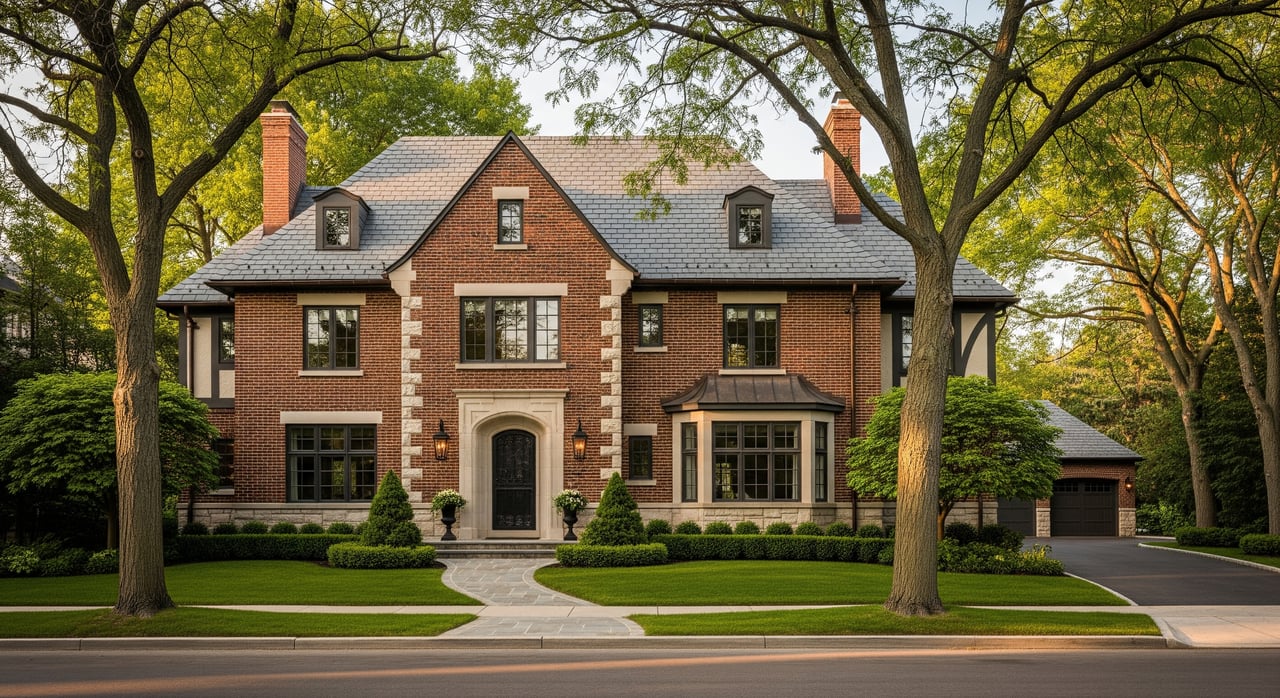
Love the look of a classic Edina Colonial or the clean lines of a midcentury ranch, but not sure how to compare them? You want character, comfort, and smart value without surprises after closing. In this guide, you’ll learn how to spot Edina’s dominant home styles, what quality details to check, and which updates matter most in our climate, plus where to find trusted local records. Let’s dive in.
Edina’s housing at a glance
Edina has a rich mix of eras. Early neighborhoods like the Country Club District and Morningside feature 1920s–1940s Colonial and period revival homes. A major postwar boom in the 1950s–60s brought midcentury ranches and modern designs near Southdale and the 50th & France area. In recent decades, many lots have seen tear-downs and custom infill with contemporary homes.
To ground your search, explore the City of Edina’s planning and permitting pages for neighborhood context and rules for improvements and demolitions. The City of Edina and the Edina Historical Society are helpful starting points.
Revived midcentury: form and flow
Where you’ll find it
You’ll see 1940s–1960s originals and later remodels across interior streets, especially around Southdale and 50th & France. Many keep the low, horizontal rooflines and indoor-outdoor feel.
How to spot it
- Low or flat rooflines with wide eaves
- Large picture windows or clerestories
- Open floor plans and post-and-beam moments
- Mixed materials like brick, wood, stone, and glass
Craftsmanship to verify
- Roofing and drainage: Low-slope roofs need excellent flashing and no ponding.
- Windows and glazing: Original single-pane or early insulated units can show condensation or deteriorated seals.
- Exposed structure: Check beam ends, cantilevers, and roof-to-wall flashing for water intrusion.
- Insulation and HVAC: Many midcentury homes benefit from added insulation and modern mechanicals.
Smart updates to prioritize
- High-performance windows matched to the original sightlines
- Roof membrane and flashing upgrades
- Thoughtful HVAC and ventilation that preserve open ceilings
- Air sealing and targeted insulation without hiding key architectural features
Traditional Colonials: symmetry and detail
Where you’ll find it
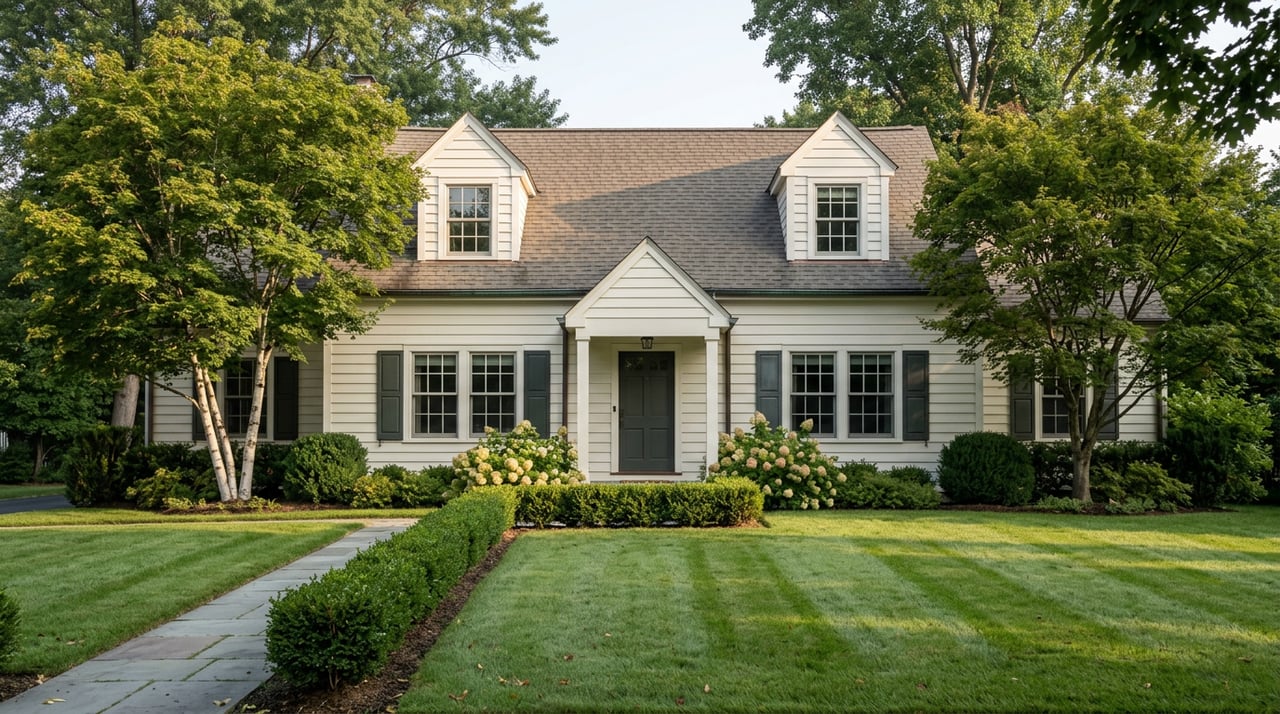
Early Edina neighborhoods, including the Country Club District, feature 1920s–1940s Colonial Revival homes and later infill inspired by the style.
How to spot it
- Symmetrical facades and centered entry
- Double-hung, multi-pane windows, often with shutters
- Gabled roofs, brick or clapboard exteriors
- Formal room layouts with distinctive trim and moldings
Craftsmanship to verify
- Masonry: Review mortar, brick spalling, and chimney integrity.
- Electrical: Older homes may have legacy wiring that warrants evaluation for safety and insurance.
- Plaster: Cracks around openings can hint at settlement or past moisture.
- Basements: Look for signs of prior waterproofing and confirm drainage paths.
Smart updates to prioritize
- Kitchen and bath modernization that preserves original millwork
- Window and insulation strategies that improve comfort while keeping character
- Mechanical upgrades that respect plaster walls and historic fabric
Contemporary new builds: light, volume, efficiency
Where you’ll find it
Custom new construction and duplex infill appear throughout Edina, especially on lots that have been cleared. Many are placed for convenient access to amenities.
How to spot it
- Asymmetrical massing and tall ceilings
- Large glass openings and sliding walls
- Mixed modern materials like fiber-cement and metal
- Integrated garages and indoor-outdoor living focus
Craftsmanship to verify
- Final grading and stormwater handling, including swales and retaining details
- Flashing and transitions at roofs, walls, and window openings
- Builder quality and warranty documentation, with a pre-closing punch list
Smart updates to consider
- Window treatments and acoustics to match big volumes
- Landscape and tree planning for shade and privacy over time
What our climate means for homes
Cold winters and freeze-thaw cycles affect foundations, roof pitch, exterior cladding, and insulation. Prioritize drainage that moves water away from the home, reliable heating systems, and effective air sealing. Minnesota also has elevated concern for radon. Include a radon test in your due diligence and plan to mitigate if levels are high. See the Minnesota Department of Health’s radon guidance and the EPA’s radon resources for best practices.
If you are considering a home built before 1978, learn about lead-safe rules and disclosures using the EPA’s lead paint guidance. For broader efficiency tips, the U.S. Department of Energy’s Energy Saver outlines insulation, air sealing, and ventilation strategies that fit Edina’s climate.
Your Edina buyer checklist
Use this quick reference during tours and inspections.
Universal checks
- Foundation and grading: Look for cracks, sloping floors, and water paths that lead away from the house.
- Roof, gutters, downspouts: Verify condition and that downspouts discharge well away from the foundation.
- Windows and doors: Check operation, seals, and flashing details.
- Mechanical systems: Note ages and service records for furnace, A/C or heat pump, and water heater.
- Insulation and air sealing: Confirm attic coverage and rim-joist sealing where visible.
- Health items: Radon testing recommended statewide; pre-1978 homes may contain lead-based paint. Ask about any known asbestos.
- Sump and drains: Identify sump pump, drain tile, and any battery backup.
Style-specific checks
- Midcentury: Low-slope roof detailing, beam and overhang flashing, original mechanical placements, slab condition if present.
- Colonial: Chimney and masonry, plaster condition, attic ventilation, and legacy electrical or plumbing.
- New builds: Final grade and landscaping, window performance, sound control, and warranty items.
For standards and scope, review the American Society of Home Inspectors resources and engage qualified inspectors.
Permits, records, and warranties
Before you make an offer, look for signs of permitted work and confirm final inspections when possible. Edina projects often require permits, and major exterior changes can carry requirements for tree protection, grading, or stormwater management. Start with the City of Edina for permit guidance and call the city if you need clarification.
When researching a property’s history, the Hennepin County property information site offers parcel data, past photos, and year-built details. These records help validate renovation timelines and inform negotiation.
Energy and comfort upgrades that pay off
In older homes, focus on attic insulation, rim-joist air sealing, and right-sized mechanicals. Consider high-efficiency windows while preserving key architectural features. In newer homes, verify mechanical ventilation performance to maintain indoor air quality. The U.S. Department of Energy’s Energy Saver provides practical guidance on insulation, air sealing, and heat pump options. If you plan renovations, financing tools like HUD’s overview of FHA 203(k) renovation loans can help you align scope and budget.
A quick visual field guide
Use your phone camera to document details during tours. Photos make side-by-side comparisons easier later.
- Exterior: Full facade, entry surround, roofline and eaves, window groupings, material transitions, garage and driveway.
- Interior: Main living sightline, built-ins and millwork, fireplace and mantel, original flooring, kitchen layout and cabinets, basement and mechanicals.
- Site: Yard grading, mature trees, drainage swales, driveway approach, and relation to the street.
Plan your next step with confidence
Whether you are drawn to a revived midcentury, a classic Colonial, or a sleek new build, the right guidance helps you spot quality and negotiate with clarity. Our boutique, principal-led approach pairs local expertise with meticulous due diligence and design-minded marketing. If you want a polished, low-friction path to the right Edina home, schedule a conversation with Debbie McNally to explore your options.
FAQs
How do I balance character with comfort in Edina homes?
- Prioritize systems that affect safety and efficiency, like insulation, windows, HVAC, and electrical, while preserving signature elements such as moldings or exposed beams.
Are older Edina homes costly to maintain?
- Many are well built with durable materials, but you should budget for roofing, masonry care, mechanical replacement, and energy upgrades if not already completed.
Should I choose a renovated midcentury or a new build?
- Renovated originals offer immediate character with potential long-term maintenance, while new builds deliver modern systems and lower short-term upkeep but less mature landscaping.
What inspection contingencies should I include?
- Include a full home inspection, a radon test, a sewer scope where applicable, verification of permits for past work, and a review of builder warranties for new construction.