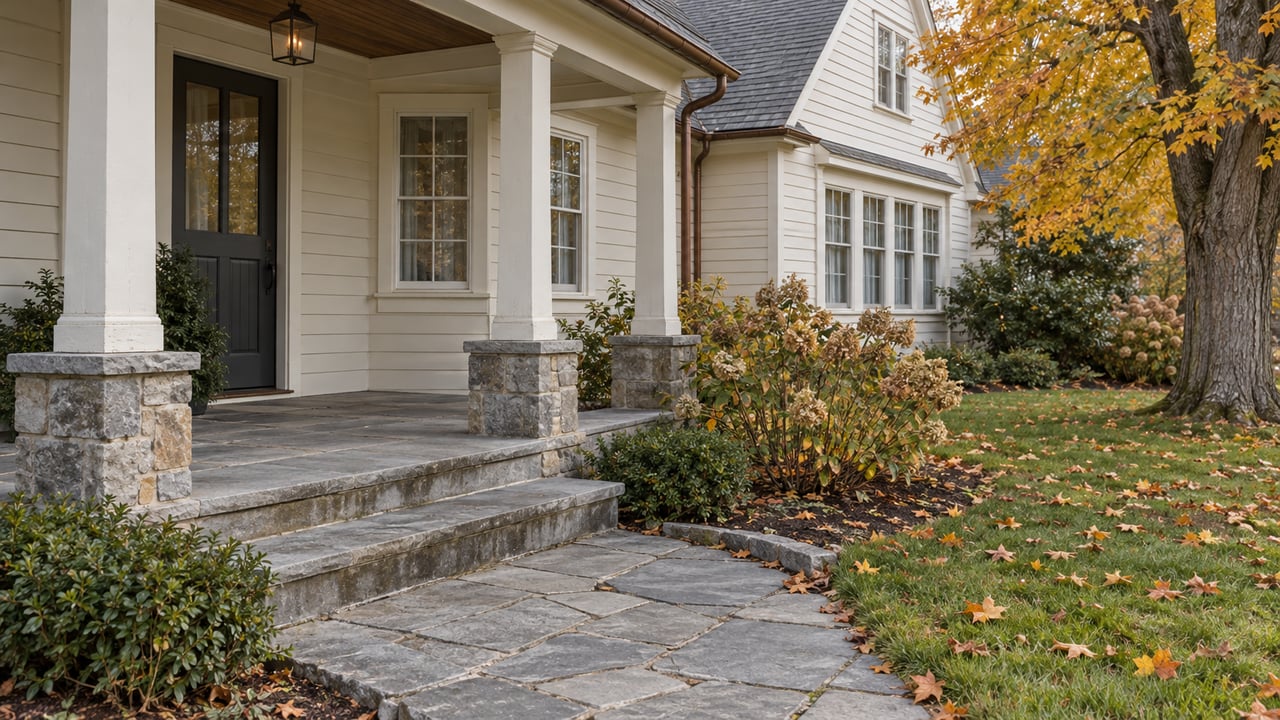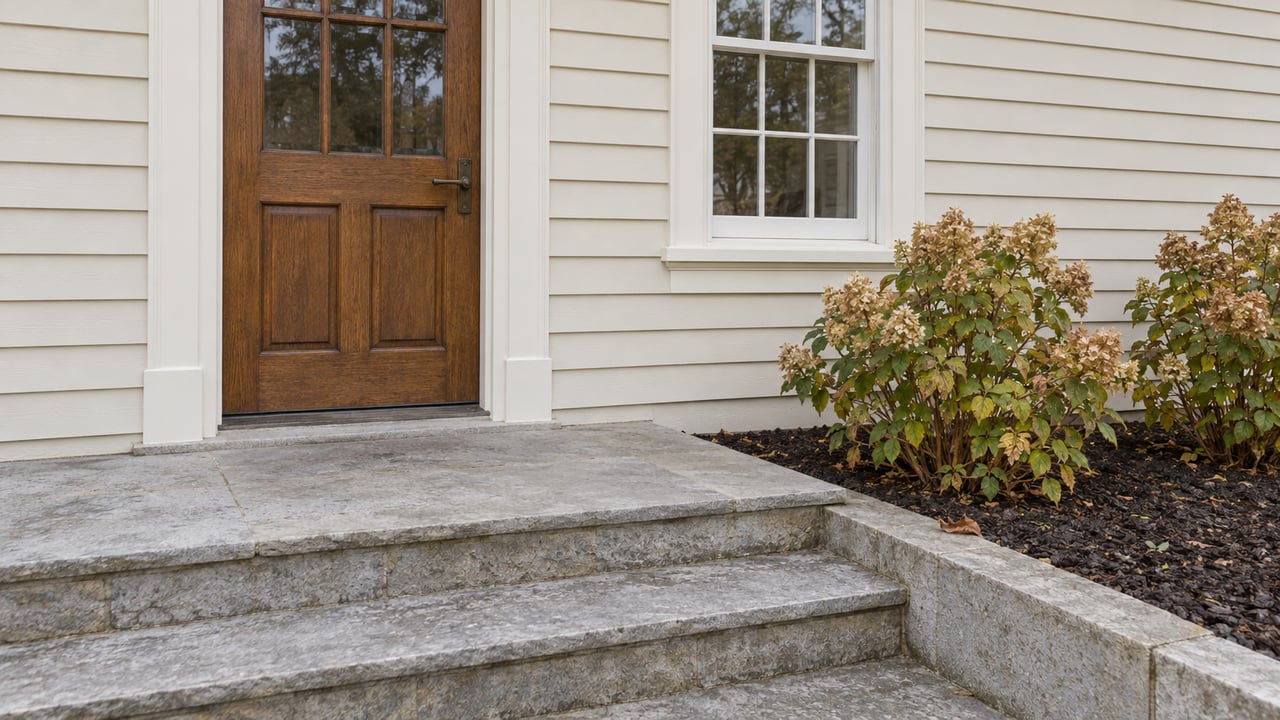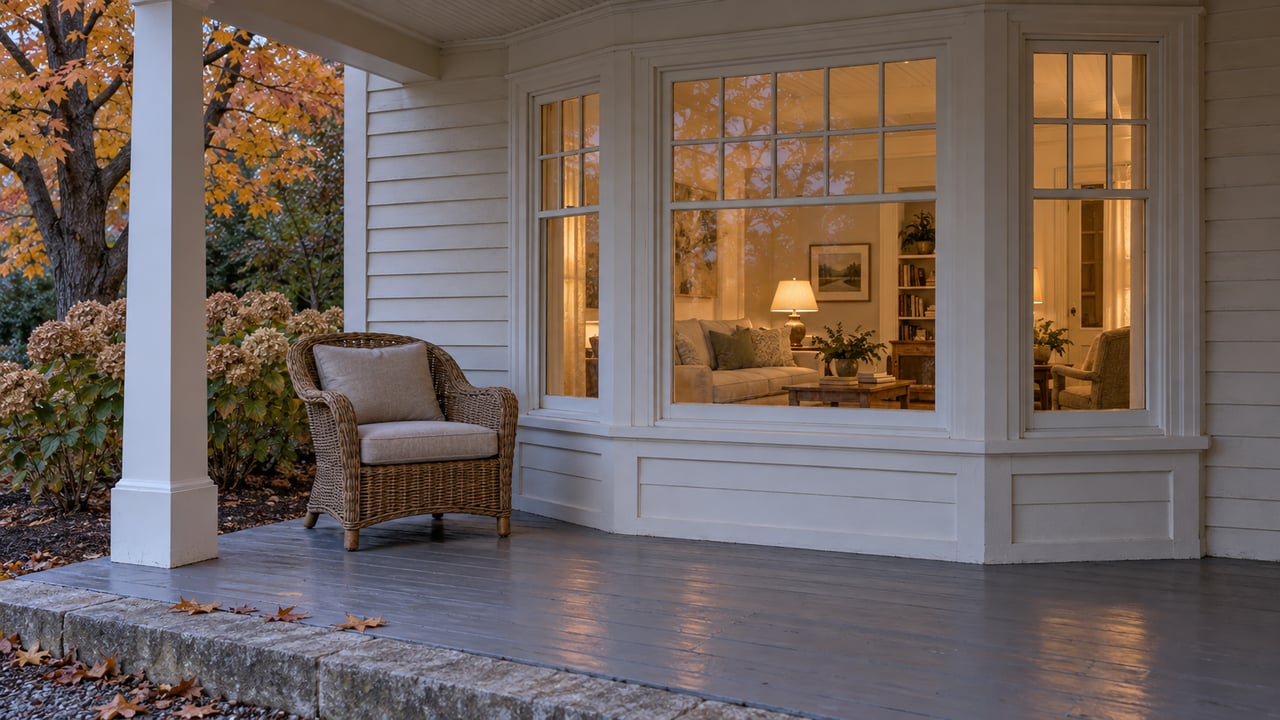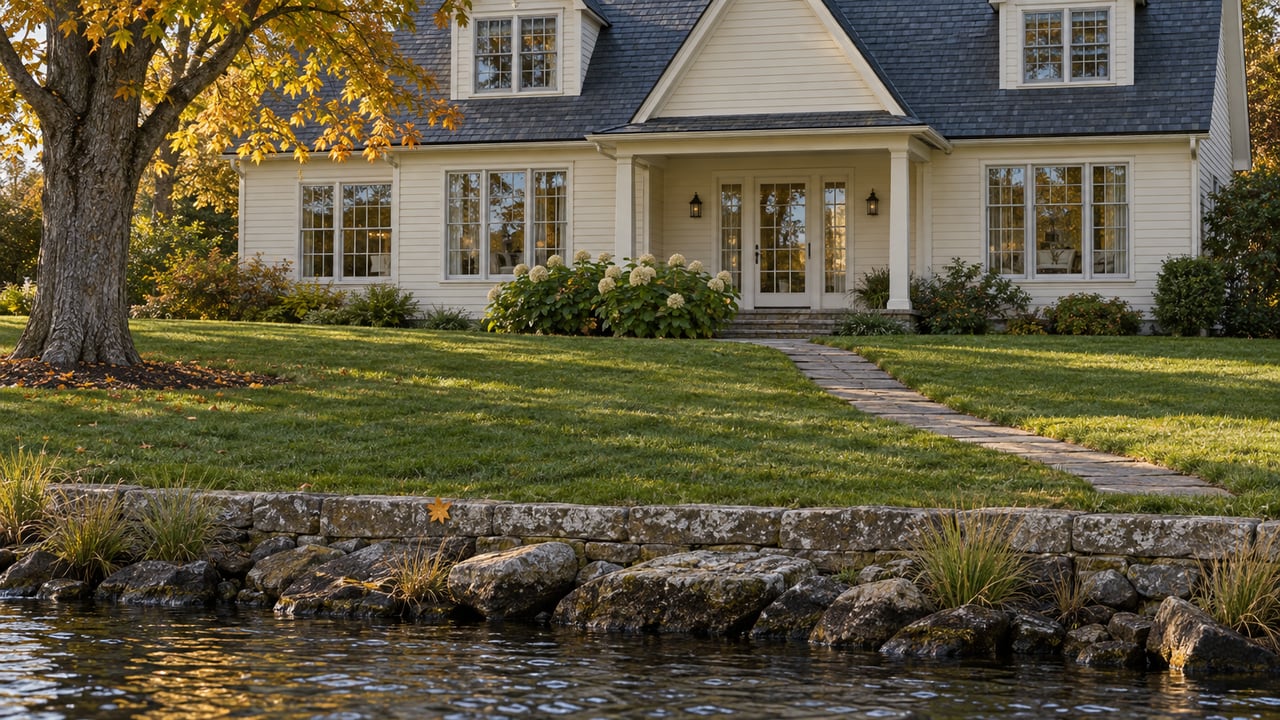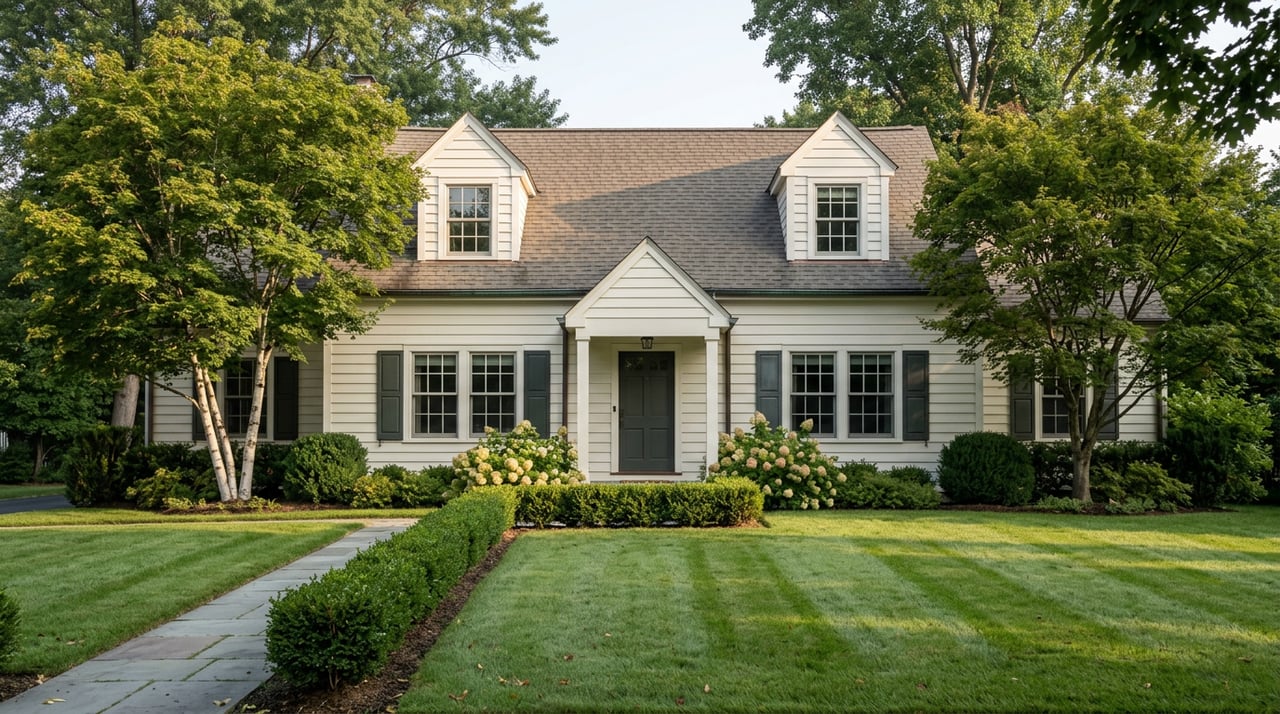
Drive through Holdridge or the streets below Wayzata Highlands and you'll find the pattern within a few blocks: a fully renovated four-bedroom with new mechanicals and a finished lower level, and two streets over, a 1950s rambler with the same lot size and a kitchen that hasn't been touched since the Reagan administration, priced the same or higher. A buyer used to a normal suburb assumes the renovated house should win every time. In Wayzata, that assumption is often wrong, and understanding why changes how you should read every listing in this market.
The dated house isn't competing on the house. It's competing on the dirt underneath it.
The Math Nobody Explains When a Listing Says "Teardown Potential"
Stonewood, the custom home builder headquartered in Wayzata, put a number on something local buyers usually only sense intuitively: lot cost, not finish level or square footage, is typically the single biggest swing factor in a Minnesota custom home budget, and a standard interior lot and a lakefront Wayzata parcel can differ by well over a million dollars before a single wall goes up. That gap exists before anyone has selected cabinetry or poured a foundation. It's purely the price of the ground.
That reframes what a seller is actually pricing when they list a tired 1960s house on a half-acre lot in a neighborhood where builders are active. They aren't pricing the house. They're pricing what a builder would pay for the lot, minus what it costs to remove what's currently standing on it. Buildora IQ's feasibility data for Wayzata puts land cost at roughly 15 to 40 percent of total project cost on a teardown-and-rebuild, and 30 to 60 percent on a vacant lot with nothing to demolish first. New construction itself typically runs $240 to $320 per square foot for a standard build, climbing past $600 per square foot for a high-end custom project. Run those numbers against a 4,000-square-foot new build and the land, not the finishes, is frequently the largest single line item on the page.
That's the mechanism that breaks the normal price-per-square-foot instinct. In most suburbs, an outdated house sells for less because buyers are pricing the cost to renovate it. In Wayzata's legacy neighborhoods, an outdated house on a desirable lot can sell for the same or more, because the buyer isn't planning to renovate it. They're planning to remove it.
Where the Trend Is Concentrated
This isn't happening evenly across town. It's concentrated in a specific set of corridors with mature lots, legacy zoning, and a long runway of families who bought decades ago and are now selling estates or downsizing.
Ferndale Road and the peninsula it runs along carry some of the highest per-acre land values in the state, comparisons that builders in the area have drawn to the most exclusive coastal markets in the country. Holdridge and Highcroft, west of downtown, carry some of the largest and most mature lots in the city, with custom infill construction that has been running there for years. Locust Hills sits closer to the lake, with wooded lots, elevated water views, and easy walking access to Lake Street and downtown. Wayzata Highlands, part of the city's broader walkable interior, has its own steady rebuild activity as older homes give way to new construction.
Recent listing activity across these neighborhoods bears this out. It's common to see a raw or partially cleared lot marketed with language like "bring your own builder" at a price point similar to nearby finished homes, because the seller and the market both understand the buyer pool isn't shopping for a house. They're shopping for a build site. Builders active on these lots right now include Stonewood, Denali Custom Homes, Regency Homes, Charles Cudd Co., Zehnder Homes, Black Dog Homes, and Sustainable 9 Design + Build, each with projects underway or recently completed in these same corridors. That's not speculative demand. That's a live construction pipeline.
One caveat worth stating plainly: any rebuild on these lots, lakefront or not, still has to clear the city's standard permitting and zoning review before framing starts. A promising lot and a buildable lot aren't always the same thing, and that review is where a buyer's timeline can slip by months if it isn't checked early.
The Other Wayzata: Paying for the Address, Not the Acre
Walk two or three blocks toward the water and the pricing logic flips entirely. Downtown Wayzata's condo corridor along Lake Street and the Promenade has no teardown premium to speak of, because there's no land play. Buyers here are paying for proximity: to Wayzata Bay, to the beach, to the Yacht Club, to dinner without getting in the car.
The Wazi, a boutique four-unit condominium building from Denali Custom Homes, is a clean example. Residences there run from roughly $2.695 million to $3.195 million for about 2,350 square feet, with completion expected in 2026. That's a meaningfully higher price per square foot than a comparable new build on a Highlands lot, and the difference isn't finish quality. It's that the buyer is purchasing a fixed, non-replicable location rather than a piece of land they could theoretically redevelop. Established buildings like The Regatta and Landing Residences trade in the same logic: newer luxury condo product in this corridor runs from roughly $1 million to $4 million or more, priced almost entirely on view, floor, and walkability rather than lot size, because there is no lot to speak of.
Two buyers can spend the same money in Wayzata and be pricing completely different things. One is buying square footage and the option to build. The other is buying a fixed address and everything within walking distance of it.
Why the Headline Numbers Contradict Each Other
This split explains something that trips up buyers who start their research on a national portal: the top-line stats for Wayzata frequently don't agree with each other, and it isn't a data error. It's a function of how small this market is.
As of July 2026, the median list price for a Wayzata home sat at $1.99 million, working out to roughly $486 per square foot, a figure that was down slightly from the year before. Go back to November 2025 and a different aggregator's numbers tell a stranger story: only six homes sold in Wayzata that entire month, the median sale price came in at $828,000, down 2.6 percent year over year, and yet the median price per square foot for those same six sales was up 53.3 percent year over year.
Both of those statements can be true at the same time, and neither one describes "the market" in any stable sense. When six homes close in a month, the mix of what happened to sell, a couple of smaller starter homes, a large new-construction lot sale, one waterfront estate, swings the median far more than actual price movement does. A single $6 million lakefront closing or a single $700,000 rambler sale can move the reported median more in one month than twelve months of genuine appreciation.
The practical takeaway isn't that the data is wrong. It's that a monthly median in a market this thin tells you almost nothing about what a specific property is worth. What matters is what's actually selling in that specific corridor, at that specific lot size, in that specific condition.
Before You Assume a Listing Is Priced Wrong
A few checks separate an informed offer from a guess in this market:
- Compare lot size and orientation, not just house square footage, when a listing sits in Holdridge, Highcroft, Ferndale, Locust Hills, or Wayzata Highlands. A smaller house on a larger buildable lot is often priced closer to the lot's redevelopment value than to its current livable condition.
- Ask what builders have recently closed on comparable lots nearby, not what similar houses have sold for. Those are two different comps in a neighborhood with an active teardown cycle.
- Get a real project budget, not a per-square-foot rule of thumb, before assuming a "cheaper" fixer is the better financial move. Demolition, site work, and a scarce buildable lot can erase any savings from a lower purchase price.
- If you're comparing a downtown condo to a legacy-lot house, recognize you're evaluating two different products. One is priced on the fixed value of its address. The other is priced on what could still be built there.
A Couple of Direct Questions
If a house is outdated but well maintained, does it ever sell for less than the land alone? It can, particularly in neighborhoods without an active teardown cycle. The land-value pricing described here is concentrated in specific corridors where builders are already competing for lots. Outside those pockets, condition still drives price the way it would in most suburban markets.
How do I find out if a specific lot can support the rebuild I have in mind? Zoning, setbacks, slope, and any shoreline or watershed rules apply before a design gets finalized, and the city's standard permitting and zoning review is where feasibility gets confirmed or ruled out. That step belongs early in due diligence, not after an offer is accepted.
Reading a Wayzata listing well means knowing which of these two markets you're actually shopping in before the number on the sign makes sense. If you're weighing a legacy lot against a finished home or trying to make sense of conflicting price data on a specific street, The Debbie McNally Group can walk through the real math with you. Schedule a private consultation to talk through what a specific property is actually pricing before you write an offer.
This article is general information, not legal, tax or financial advice. Consult a qualified professional about your situation.